
Resilience & TPRM
Operational resilience programs and third-party risk management built for modern supply chains.
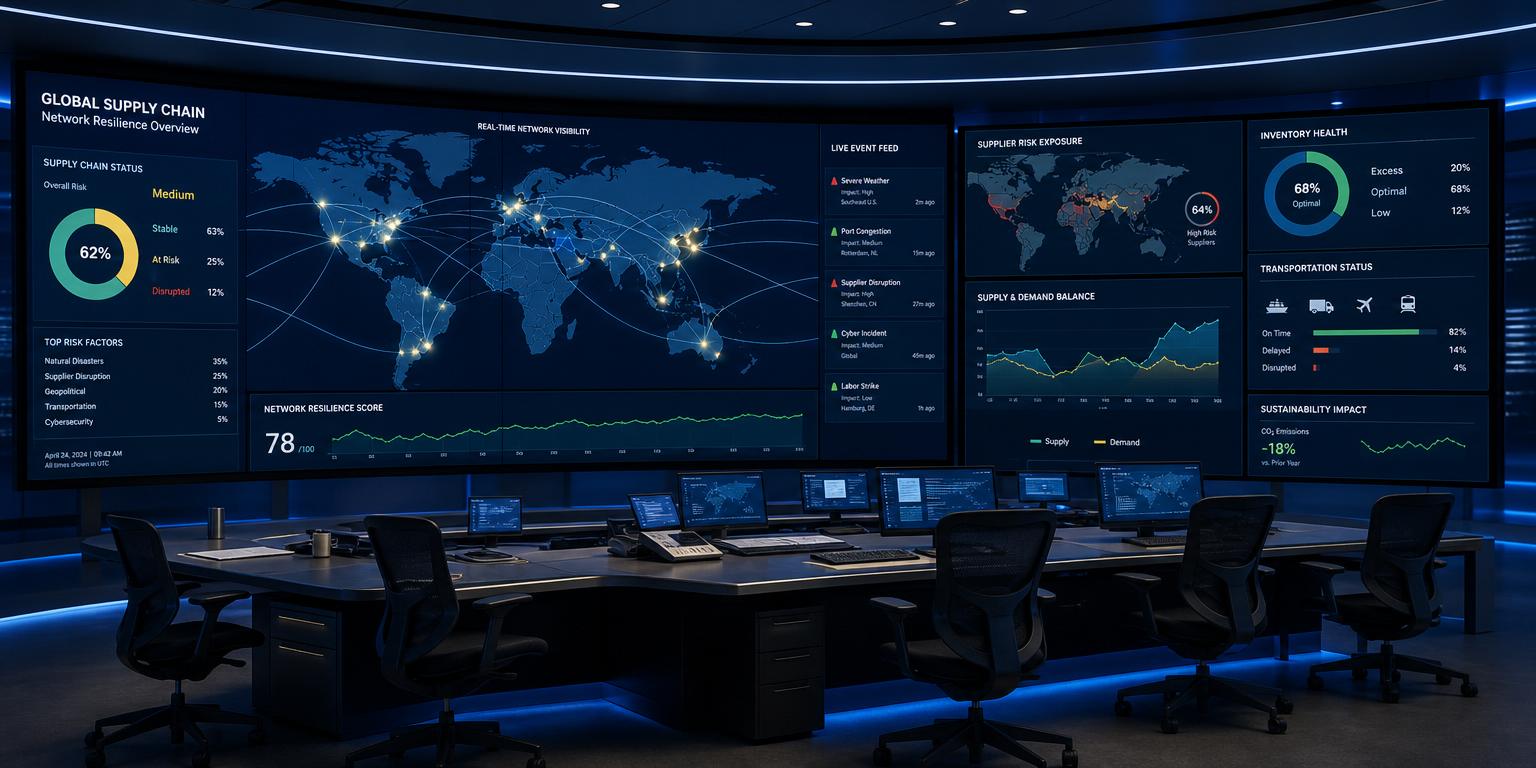
Definition
What is Resilience & TPRM?
Operational Resilience is the ability of an organization to deliver its most important business services through disruption — cyber, third-party, geopolitical or operational. Third-Party Risk Management (TPRM) extends that discipline to the vendors, SaaS providers and sub-processors your services depend on.
Overview
How we approach it
We identify your important business services, map their end-to-end delivery chain and define impact tolerances.
We stress-test those services against severe-but-plausible scenarios and remediate the weak links.
TPRM becomes risk-based, not questionnaire-theater.
What we do
Scope of the engagement
Important business service mapping
End-to-end dependency mapping across people, process, tech and third parties.
Scenario testing
Severe-but-plausible cyber, cloud-outage and vendor-failure scenarios with measured impact.
TPRM program design
Risk-tiered due diligence, contractual controls and continuous vendor monitoring.
DORA & FFIEC alignment
Resilience programs that meet EU DORA and US FFIEC expectations.
Outcomes
What you walk away with
- Defined and tested impact tolerances
- Risk-tiered vendor inventory with continuous monitoring
- Regulator-ready DORA / FFIEC artifacts
FAQ
Common questions
Is DORA only banks?
No — it covers banks, insurers, investment firms and many of their ICT third parties.
Do you handle questionnaires?
Yes, both inbound and outbound, but our focus is reducing the questionnaires you need.
Other services
Continue exploring
IT Risk Assessment
Quantitative risk modeling that translates technical findings into financial loss exposure your board can act on.
ReadCybersecurity
End-to-end cyber defense — from zero-trust architecture to 24/7 managed detection and response.
ReadAI Governance
Stand up an AI program that satisfies regulators while enabling teams to ship responsibly.
Read